
Starting November 1, 2024, India’s GST framework will witness a transformative change with the implementation of new Reverse Charge Mechanism (RCM) Time of Supply Rules. These regulations make self-invoicing for RCM transactions mandatory, placing a fresh compliance requirement on businesses. Any delays in issuing these invoices could result in the loss of Input Tax Credit (ITC) and incur penalties under the CGST Act. Here’s a closer look at the specifics of these new rules and their implications for businesses.

Before diving into the new changes, let’s clarify the concept of RCM. In the Reverse Charge Mechanism, the tax liability shifts from the supplier to the recipient. This mechanism generally applies when the supplier is unregistered or specific goods and services are notified by the government. With the recipient now responsible for paying tax, compliance becomes crucial.
Key Changes in the New RCM Time of Supply Rules
Starting in November, businesses involved in RCM transactions will face these mandatory requirements:
The mandatory self-invoicing under RCM will bring various challenges and adjustments, including:
Preparing for the New RCM Requirements
To stay compliant, businesses should take these proactive steps:
The new RCM Time of Supply Rules signify a pivotal shift in India’s GST system, making self-invoicing compulsory for RCM transactions. The government’s aim is to enhance compliance and bring greater consistency to tax processes. Businesses must act swiftly to align with these requirements, leveraging automation and diligent financial planning to minimize compliance risks and maximize efficiency in this evolving regulatory environment.
 GST Input Tax Credit (ITC) Guide for Startups & MSMEs (2026)
 Audit Red Flags in Due Diligence: Investor Guide (2026)
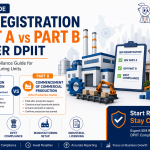 IEM Registration Part A vs Part B under DPIIT | Complete Guide
 RBI Reporting After Foreign Investment in India | FEMA Guide 2026
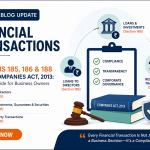 Sections 185, 186 & 188 of Companies Act, 2013: Complete Guide
 Missed a FEMA Filing? Compounding vs Late Submission: What Should You Do?
 MCA Financial Year Flexibility Comes with a Tax Reporting Catch for Companies
 Fast Track Merger without NCLT approval
 Trademark Registration Bangalore: Fees, Eligibility & Steps
 Section 185 vs Section 186: Company Loan Rules Explained

