Requirement | Explanation | Timeline |
| LLP Agreement | Mandatory to file with Registrar of Companies (RoC) the initial LLP Agreement | Within 30 days from Incorporation |
| Books of Accounts | All LLP’s are required to maintain proper books of accounts on double entry book keeping system. An LLP whose annual turnover exceeds Rs 40 lakhs or partner’s contribution exceed Rs 25 lakhs, shall be required to get its accounts audited by a Qualified Chartered Accountant. | – |
| Annual Returns | Mandatory to file Annual return in eform-11 | Within 60 days from the end of Financial Year |
| Statement of Accounts and Solvency | All LLP’s are mandatorily required to file Statements of Accounts and Solvency in eform-8 | Within 30 days from expiry of 6 months from the closure of Financial Year. |
| Income Tax Return | As per the Income Tax Act,1961,LLP’s with annual turnover of more than 60 lakhs must mandatorily get their accounts audited | - In case Audit is not required – 31st July every year
- In case Audit is required – 30th September of every year
|

 How to Grant Sweat Equity Without Company Valuation: Step-by-Step for Indian Startups
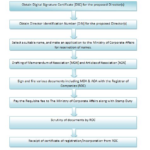 Company Registration in Bangalore: Complete Guide to Register Your Business in 2025
 Virtual CFO vs Traditional CFO: Which is Right for Your Startup in 2025?
 Buy Back of Shares
 MSME – Micro, Small, and Medium Enterprises
 Missed a FEMA Filing? Compounding vs Late Submission: What Should You Do?
 MCA Financial Year Flexibility Comes with a Tax Reporting Catch for Companies
 Fast Track Merger without NCLT approval
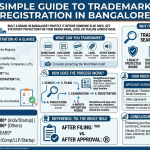 Trademark Registration Bangalore: Fees, Eligibility & Steps
 Section 185 vs Section 186: Company Loan Rules Explained

